 (Image via
Hosting a tasting session at home offers a rewarding way to explore new flavors and enjoy good company. Begin by outlining what you hope to achieve, whether that means sampling a variety of bold reds or comparing the subtle differences in smoky whiskeys. Choose the beverages, set the pace, and create an inviting atmosphere that reflects your style. A thoughtful approach to each detail, from glassware to background music, transforms an ordinary evening into a memorable gathering. By setting a clear focus for the tasting, you help everyone stay engaged, making the experience both enjoyable and meaningful for your guests.
Gather a small group or keep it intimate. Choose a variety of wines and spirits so you can compare different styles. This mix keeps conversation lively. It also lets you highlight unique characteristics from each label.
Planning Your Tasting Experience
Select a date that works for everyone. Pick a time with few distractions. Early evening works well. Guests feel relaxed and focused after work.
Create a loose timeline. List wine, spirits, and breaks. Include time for notes, snacks, and pairing experiments. A simple schedule provides structure, but leave room for side chats and discoveries.
Invite participants to research one selection. They can share a fun fact or tasting note. This adds variety and sparks discussion. It also shifts some prep work off your plate without losing control of the event.
Selecting Wine and Spirits
Choose five to seven bottles. Too many overwhelms the palate. Too few can feel limited. A balanced tasting explores multiple styles without fatigue.
- Start Light: Include a crisp white or a refreshing sparkling wine first.
- Move to Rosé: Pick a transition wine that bridges white and red.
- Explore Red: Select a medium-bodied red, like a Tempranillo or Merlot.
- Go Bold: Finish with a full-bodied Cabernet Sauvignon or Malbec.
- Add a Spirit: Reserve a dram of bourbon, single malt, or *Patrón* for a final contrast.
Select bottles within a similar price range to keep comparisons fair. Aim for mid-range labels that showcase quality without breaking the bank. This approach gives you meaningful differences in flavor, aroma, and texture.
Include one surprise bottle. It might be a local producer or an emerging brand. This offers a discovery moment and adds excitement. Guests often remember that unexpected twist.
Setting the Scene and Ambiance
Create a neutral backdrop. Choose soft lighting and a simple tablecloth. Keep distractions to a minimum so everyone can focus on the tasting.
- Glassware: Provide one glass per pour. Use stemmed glasses for aromas.
- Spittoons: Offer small cups for those who prefer not to swallow.
- Palate Cleansers: Provide water and plain crackers between samples.
- Note Cards: Supply pens and tasting sheets for quick observations.
Add subtle touches like fresh flowers or lit candles. A gentle scent enhances the vibe without interfering with the aromas. Soft background music works best when it stays in the background. Choose instrumental tracks or mellow jazz to encourage conversation.
Tasting Methodology
Use a consistent process. A step-by-step method sharpens focus and helps you compare samples objectively.
- Observe: Tilt the glass against a white surface. Note color, clarity, and viscosity.
- Swirl: Gently swirl the liquid to release volatile aromas.
- Smell: Inhale deeply, aiming to identify primary and secondary notes.
- Taste: Take a small sip. Let it coat your palate. Note sweetness, acidity, tannin, and body.
- Savor: Assess the finish. A longer finish often signals higher quality.
Remind everyone to take brief notes on each step. A quick jot keeps memories fresh when discussing later. It also helps highlight trends across different wines and spirits.
Pairing Tips and Custom Touches
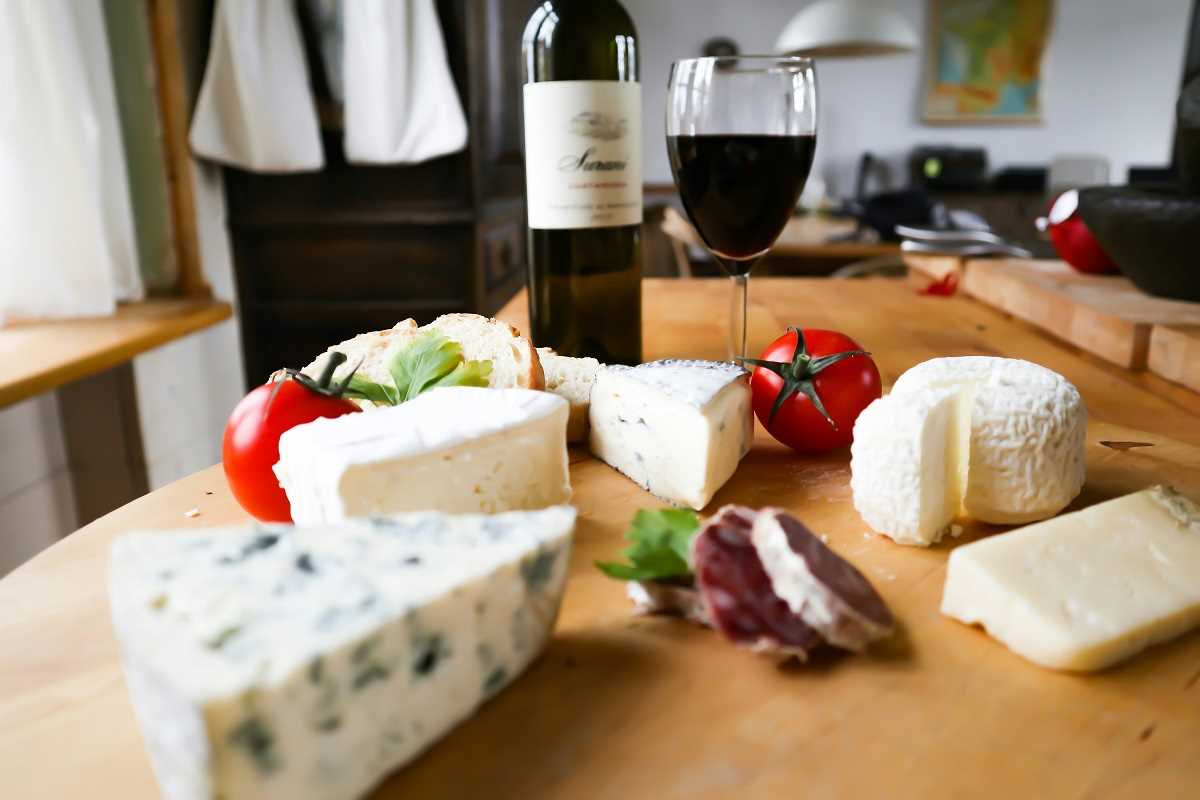
Pairings enhance flavors and deepen enjoyment. Match light whites with creamy cheeses or fresh fruit. Try a tangy goat cheese with a Sauvignon Blanc to boost brightness.
For reds, lean into charcuterie. Salami, prosciutto, and aged cheddar amplify rich tannins. Nuts and dark chocolate also pair well with bold reds or a peaty whisky.
Add a DIY element. Create a mini pairing station where guests mix small bites with each pour. They can note which combinations resonate and which clash. This interactive twist drives conversation and keeps energy high.
Play a trivia game. Ask guests to guess a tasting note or origin. Offer a small prize for the closest guess. This fun challenge injects some excitement and makes the evening memorable.
Common Pitfalls to Avoid
Avoid overloading with too many options. Seven bottles serve as a practical limit. More bottles risk palate fatigue and dilute focus.
Steer clear of overpowering foods. Strong garlic or spicy dishes can hide subtle aromas. Keep snacks neutral when you need clear comparisons.
Don’t skip the water. Hydration resets your palate. It also prevents headaches after multiple pours.
Resist distracting debates about price tags. Encourage notes on taste rather than cost. This keeps the mood light and focused on flavors.
Follow these steps to host a polished, personal tasting. Customize the details to suit your style, and your gathering will make a lasting impression.